How Much Coffee Per Cup? Scoops, Tablespoons and Grams (Chart)
How much coffee per cup: 15 g per 8 oz (about 3 tablespoons) at a 1:16 ratio. Chart for 1–12 cups and the right ratio for every brewing method.
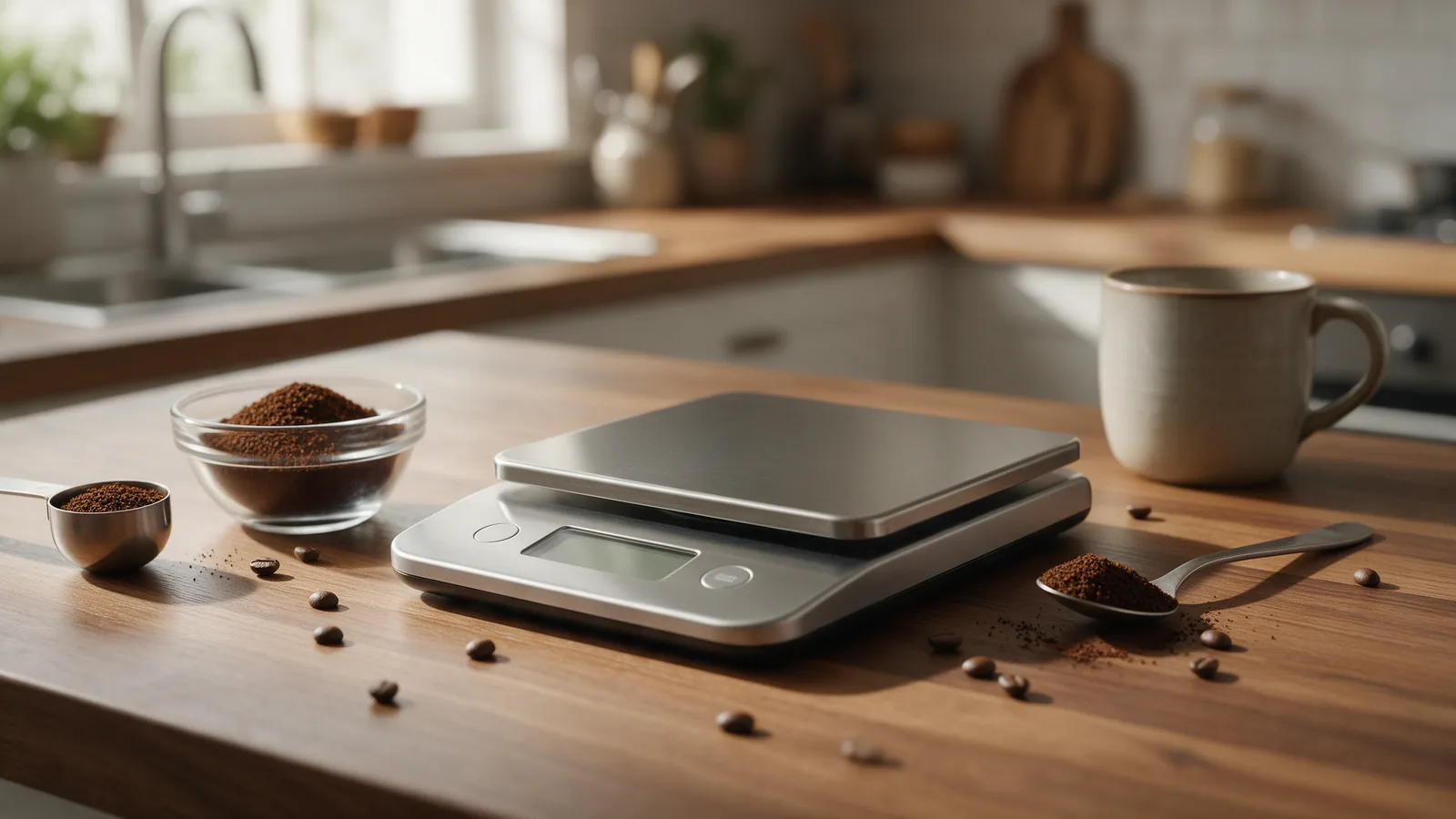
For one 8 oz (240 ml) cup of drip or pour-over coffee, use about 15 grams of coffee grounds, which is roughly 3 level tablespoons or 1½ standard coffee scoops. That works out to a coffee-to-water ratio of about 1:16 (1 gram of coffee for every 16 grams of water), the sweet spot most baristas and the Specialty Coffee Association’s brewing guidelines point to. Want it stronger? Move toward 1:15. Milder? Try 1:17. Below you will find a chart for 1 to 12 cups, the right ratio for each brewing method, and why a cheap kitchen scale beats any scoop.
Short answer: how much coffee per cup (the 1:16 ratio)
Coffee strength comes down to one number: how much ground coffee you use for a given amount of water. Brewers write it as a ratio. A 1:16 ratio means 1 part coffee to 16 parts water by weight, so 15 g of coffee for 240 g (240 ml) of water, or 20 g for 320 ml.
Where does 1:16 come from? The Specialty Coffee Association (SCA) defines its “Golden Cup” standard as about 55 grams of coffee per litre of water, plus or minus 10%. That is a ratio of roughly 1:18, with an acceptable window from about 1:16.5 to 1:20. In practice, most home brewers and cafés land a little stronger, between 1:15 and 1:17, because the water held back by wet grounds (about 2 g per gram of coffee) means you get less coffee in the cup than you poured in. Starting at 1:16 gives you a full-bodied, balanced cup you can then tweak.
If you only remember one thing, remember this:
- Strong: 1:15 → 16 g per 240 ml
- Balanced (start here): 1:16 → 15 g per 240 ml
- Light: 1:17 → 14 g per 240 ml
- SCA Golden Cup: 1:18 → 13.3 g per 240 ml
Coffee per cup chart: cups, tablespoons and grams
This chart uses an 8 oz (240 ml) mug as “one cup” and the 1:16 ratio. Tablespoon and scoop counts assume 5 g per level tablespoon and 10 g per standard scoop of medium-ground coffee. Round up slightly if your grounds are coarse (they pack less densely) and down if they are fine.
| Cups (8 oz / 240 ml) | Water | Coffee (grams) | Level tablespoons | Scoops |
|---|---|---|---|---|
| 1 | 240 ml | 15 g | 3 | 1½ |
| 2 | 480 ml | 30 g | 6 | 3 |
| 3 | 720 ml | 45 g | 9 | 4½ |
| 4 | 960 ml | 60 g | 12 | 6 |
| 6 | 1.44 L | 90 g | 18 | 9 |
| 8 | 1.92 L | 120 g | 24 | 12 |
| 10 | 2.40 L | 150 g | 30 | 15 |
| 12 | 2.88 L | 180 g | 36 | 18 |
Coffee maker “cups” are smaller
Here is the trap that makes so many pots of drip coffee taste weak. The cup markings on most coffee makers are based on a 5 oz (about 150 ml) or 6 oz (about 180 ml) serving, not an 8 oz mug. A “12-cup” carafe therefore holds about 60–72 oz, or 1.8–2.1 litres. If you fill it to the 12 line and add only 12 tablespoons because “one tablespoon per cup”, you end up near 1:30, which is thin and sour.
For a coffee maker, go by the water you actually pour:
| Coffee maker “cups” (5 oz / 150 ml) | Water | Coffee at 1:16 | Level tablespoons |
|---|---|---|---|
| 4 | 600 ml | 38 g | 7–8 |
| 6 | 900 ml | 56 g | 11 |
| 8 | 1.2 L | 75 g | 15 |
| 10 | 1.5 L | 94 g | 19 |
| 12 | 1.8 L | 112 g | 22–23 |
Check your own machine by filling the carafe to the 1-cup line and measuring it with a measuring jug. Thirty seconds of checking fixes years of weak coffee.
How many scoops of coffee per cup?
The classic advice printed on many US coffee bags, “one scoop per cup”, assumes a standard 2-tablespoon (about 10 g) coffee scoop and a 6 oz cup. That is a 1:18 ratio, right on the SCA Golden Cup. For an 8 oz mug, use 1½ scoops. Be careful with the little plastic spoons that come with espresso machines and grinders: many hold only 7 g, so you need two of them for a mug of filter coffee.
How many tablespoons of coffee per cup?
Use 2 level tablespoons per 6 oz (180 ml) or 3 level tablespoons per 8 oz (240 ml) of water. A heaped tablespoon can hold 7 g or more, so if you scoop generously, 2 heaped tablespoons per mug may already be enough. That uncertainty is exactly why grams win, as you will see below.
Coffee ratio by brewing method
The 1:16 rule is ideal for filter coffee, but each brewer extracts differently. Immersion methods, pressure methods and cold water all change how much coffee you need. Here is where to start with each one.
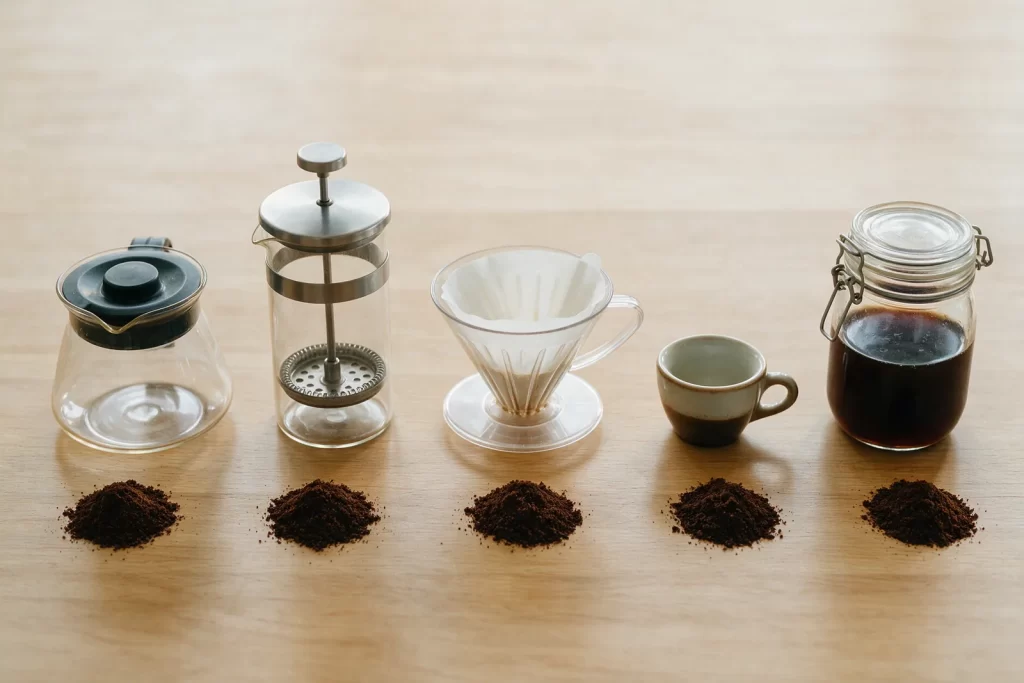
Drip coffee maker
Start at 1:16 (about 60 g per litre) with a medium grind, like coarse sand. Drip machines often brew a little cooler than ideal, so if the coffee tastes flat, tighten to 1:15 before blaming the beans. The water should be clean and fresh; the SCA recommends brewing between 90 and 96 °C, and certified home brewers are tested on hitting that range.
Drip coffee maker
- Coffee
- 60 g
- Water
- 1 L
- Grind
- Medium
- Water temp
- 92–96 °C
- Time
- 4–6 min
French press
Because the grounds steep in all the water, a French press tolerates, and often tastes better with, a slightly stronger ratio: 1:12 to 1:15. For a standard 1-litre (34 oz) press, use 60–70 g of coarsely ground coffee, steep 4 minutes, then press slowly. I brew with a French press most weekends at home in Galicia and settle on 1:14: enough body for a splash of milk without turning muddy.
French press
- Coffee
- 30 g
- Water
- 420 ml
- Grind
- Coarse
- Water temp
- 93–96 °C
- Time
- 4 min
Pour over (V60, Chemex, Kalita)
Pour over rewards precision. Begin at 1:16 or 1:17, for example 15 g of coffee to 250 ml of water, with a medium-fine grind and a 30–45 second bloom using about twice the coffee’s weight in water. Light roasts usually need the finer side and hotter water. Our step-by-step V60 pour-over guide walks through the pours and timings.
Pour over (V60)
- Coffee
- 15 g
- Water
- 250 ml
- Grind
- Medium-fine
- Water temp
- 94–96 °C
- Time
- 2:30–3:30 min
Espresso
Espresso uses far less water and lots of pressure, so ratios are written as coffee in to liquid espresso out. A standard double shot is about 18 g of finely ground coffee to 36 g of espresso (1:2) in 25–30 seconds. A ristretto runs closer to 1:1–1:1.5, a lungo 1:3 or more. If you use a home machine with pressurised baskets, like the Krups on my counter, aim for 14–16 g in a double basket and judge mostly by taste and time.
Espresso (double)
- Coffee
- 18 g
- Water
- 36 g out
- Grind
- Fine
- Water temp
- 90–94 °C
- Time
- 25–30 s
Moka pot
With a stovetop moka pot you don’t really choose the ratio: the pot does. Fill the bottom chamber with water just below the safety valve and the funnel basket with coffee to the rim, levelled and not tamped. The result lands around 1:7 to 1:10, stronger than filter coffee but not true espresso. A 3-cup moka takes about 15–17 g of coffee and 150 ml of water; a 6-cup about 30 g and 300 ml. Use a grind a touch coarser than espresso, start with hot water to shorten the time on the flame, and take it off the heat as soon as it starts to sputter.
Moka pot (3-cup)
- Coffee
- 16 g
- Water
- 150 ml
- Grind
- Medium-fine
- Water temp
- Medium heat
- Time
- 4–5 min
Cold brew
Cold water extracts slowly and less efficiently, so cold brew uses much more coffee. For a concentrate, use 1:4 to 1:8 and dilute before drinking; for ready-to-drink cold brew, about 1:12 to 1:15. A concentrate at 1:5 means 100 g of coarse coffee to 500 ml of water, steeped 12–18 hours in the fridge. See our full guide on how to make cold brew concentrate or jump straight to the numbers in our cold brew ratio chart.
Cold brew concentrate
- Coffee
- 100 g
- Water
- 500 ml
- Grind
- Coarse
- Water temp
- Fridge or room temp
- Time
- 12–18 h
Quick comparison
| Method | Ratio | Coffee for 240 ml of water | Grind |
|---|---|---|---|
| Drip coffee maker | 1:15–1:17 | 14–16 g | Medium |
| French press | 1:12–1:15 | 16–20 g | Coarse |
| Pour over | 1:15–1:17 | 14–16 g | Medium-fine |
| Moka pot | about 1:7–1:10 | fill the basket level (no tamping) | Fine-medium |
| Espresso | 1:2 (in:out) | 18 g for a double | Fine |
| Cold brew concentrate | 1:4–1:8 | 30–60 g | Coarse |
Why weighing coffee beats measuring with a scoop
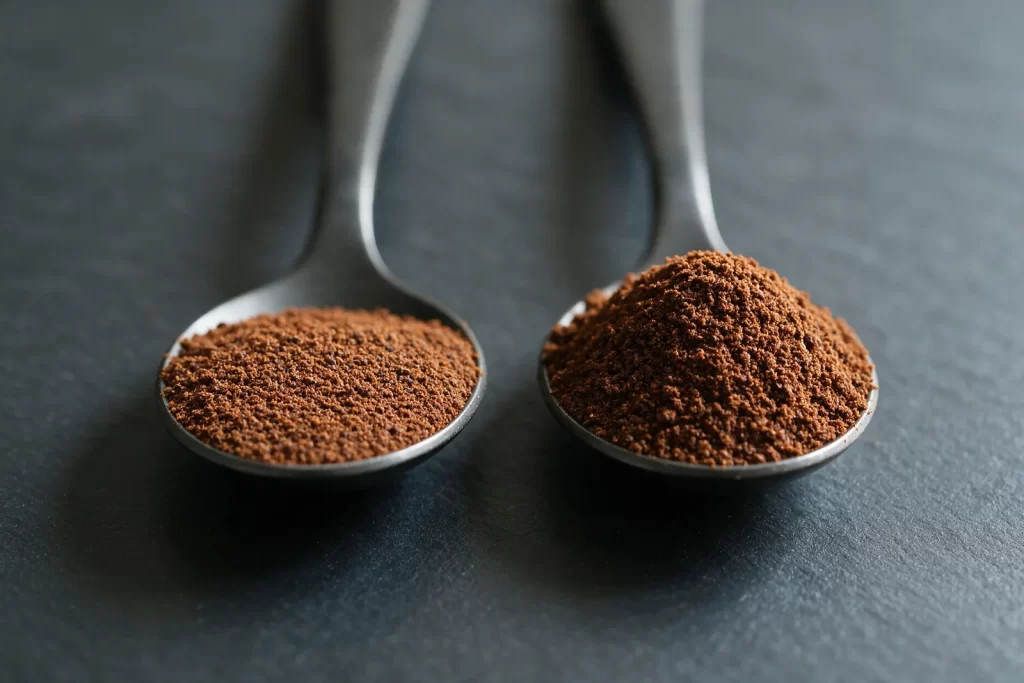
A tablespoon measures volume, but coffee strength depends on mass. The same spoon can hold very different amounts of coffee depending on three things:
- Grind size. Fine grounds pack tighter. A level tablespoon of espresso-fine coffee can weigh 6–7 g; the same spoon of coarse French-press grounds can be closer to 4 g.
- Roast level. Dark roasted beans lose more mass and puff up, so a scoop of dark roast weighs less than a scoop of light roast. (This is also why the old “dark roast has more caffeine” debate depends on whether you measure by scoop or by weight, as we explain in what is light roast coffee.)
- How you scoop. Level, rounded or heaped can change the dose by 30–50%.
Those differences add up. If your “3 tablespoons” swing between 12 and 20 g, your morning cup swings between 1:20 (watery) and 1:12 (heavy), and you blame the beans. A digital kitchen scale with 1 g resolution costs about the same as a bag of specialty coffee and removes that variable entirely. Put your mug or carafe on the scale, tare it, and pour water by weight too: 1 ml of water weighs 1 g, so no measuring jug is needed.
No scale yet? Calibrate your spoon once. Weigh 5 level spoonfuls of your usual grind on any scale (even borrowed), divide by 5, and write the number on a sticky note inside the cupboard. You now know exactly what “one scoop” means in your kitchen.
How to adjust coffee strength to your taste
Ratio is the first dial to turn, but it is not the only one. Strength (how concentrated the cup is) and extraction (how much flavour you pulled out of the grounds) are different things, and fixing the wrong one wastes coffee.
- Tastes weak and watery but pleasant: use more coffee. Move from 1:16 to 1:15, or add 1–2 g per cup.
- Tastes strong but harsh and bitter: do not add water first; grind a little coarser or shorten the brew time. Over-extraction, not the ratio, is often the culprit.
- Tastes sour, thin and sharp: under-extraction. Grind finer, use hotter water (at least 90 °C) or brew longer before changing the dose.
- Too intense to drink black: keep the ratio and add hot water after brewing (an “americano-style” dilution). This keeps extraction balanced while lowering strength.
Change one thing at a time and taste side by side. It takes two or three mornings to dial in a new bag, and the numbers you land on will carry over to every bag of similar beans.
Does more coffee mean more caffeine?
Yes, roughly in proportion. Brewed coffee averages about 95 mg of caffeine per 8 oz cup according to USDA data, but a strong 1:13 cup can deliver well over 120 mg. Health authorities such as the US FDA and the European Food Safety Authority (EFSA) consider up to 400 mg a day safe for most healthy adults (EFSA advises no more than 200 mg in a single sitting and 200 mg a day during pregnancy). If you brew stronger, count cups accordingly. Our guide on how much caffeine is in coffee has the numbers by drink.
FAQ
How many grams of coffee per cup?
About 15 g of ground coffee per 240 ml (8 oz) cup at a 1:16 ratio, or 10–11 g for a 6 oz (180 ml) cup. Use 14 g for a lighter cup and 16 g for a stronger one.
What is the golden ratio for coffee?
The “golden ratio” usually refers to the SCA Golden Cup standard: 55 g of coffee per litre of water (±10%), roughly 1:18. Many home brewers use 1:15 to 1:17 instead because it tastes fuller; 1:16 is a reliable starting point.
How much coffee for 4 cups?
For four 8 oz mugs (960 ml of water), use about 60 g of coffee, which is 12 level tablespoons or 6 scoops. For 4 coffee-maker cups (about 600 ml), use about 38 g, or 7–8 tablespoons.
How many scoops of coffee for 12 cups?
In a 12-cup coffee maker (about 1.8 litres of water), use roughly 11 standard 10 g scoops (around 112 g, or 22–23 level tablespoons). For twelve full 8 oz mugs you would need 18 scoops.
Is 2 tablespoons of coffee per cup too much?
No. Two level tablespoons (about 10 g) per 6 oz of water is the classic recommendation and matches the SCA Golden Cup. For a larger 8 oz mug, two tablespoons is actually on the weak side; three is closer to balanced.
About the author
Keep reading
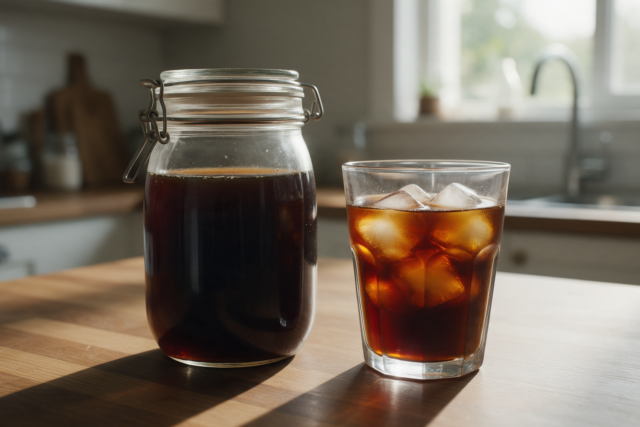
How to Make Cold Brew Concentrate at Home (Ratio, Steep Time, Dilution)
The exact cold brew concentrate recipe: 1:4 to 1:5 ratio, 12–18 hour steep, double straining, how to dilute it and how long it keeps.
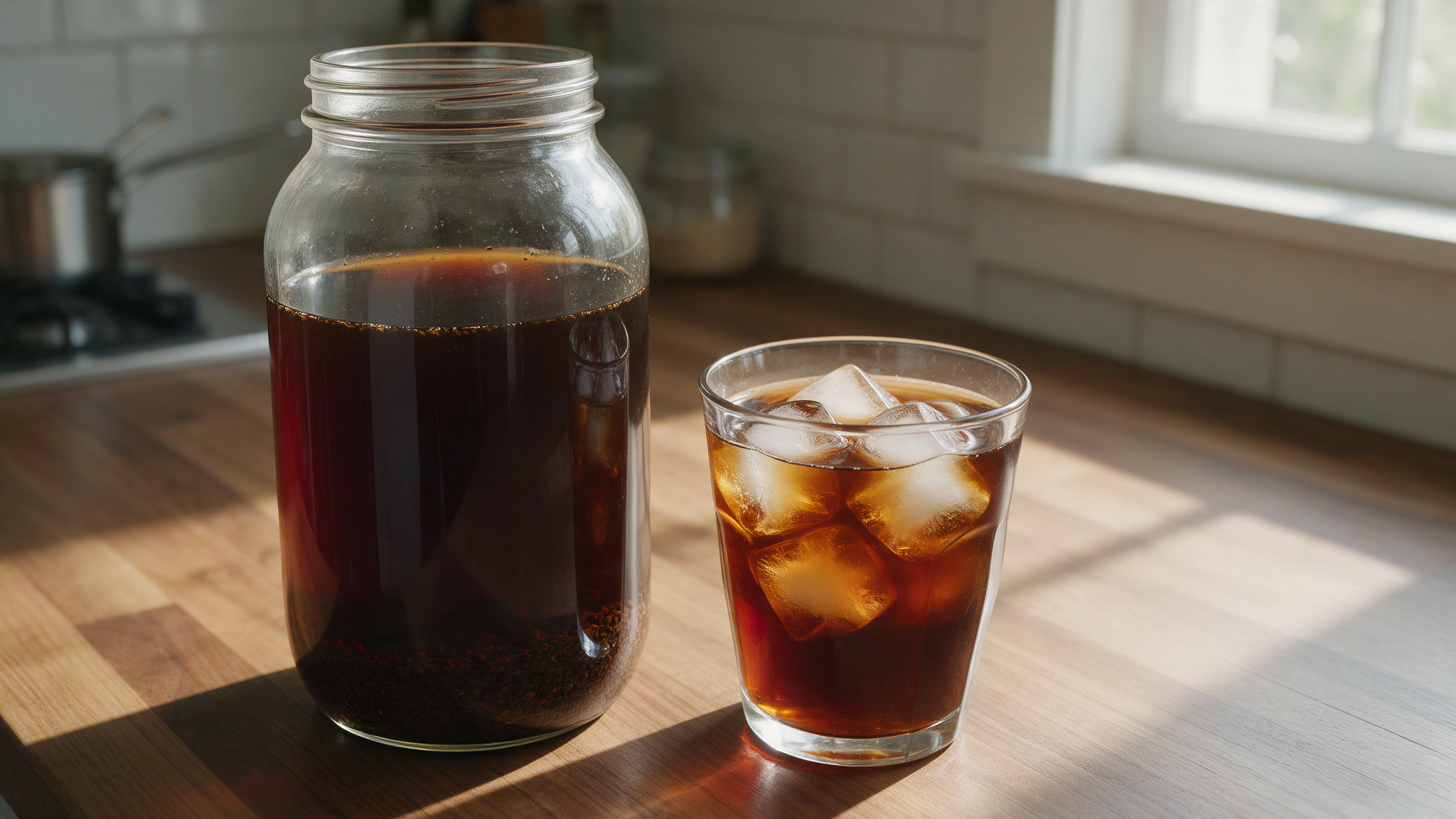
Cold Brew Ratio: How Much Coffee per Cup of Water
Start at 1:5 for concentrate or 1:8 to drink straight, steep for 16 hours, and adjust from there. Here is why those numbers work.
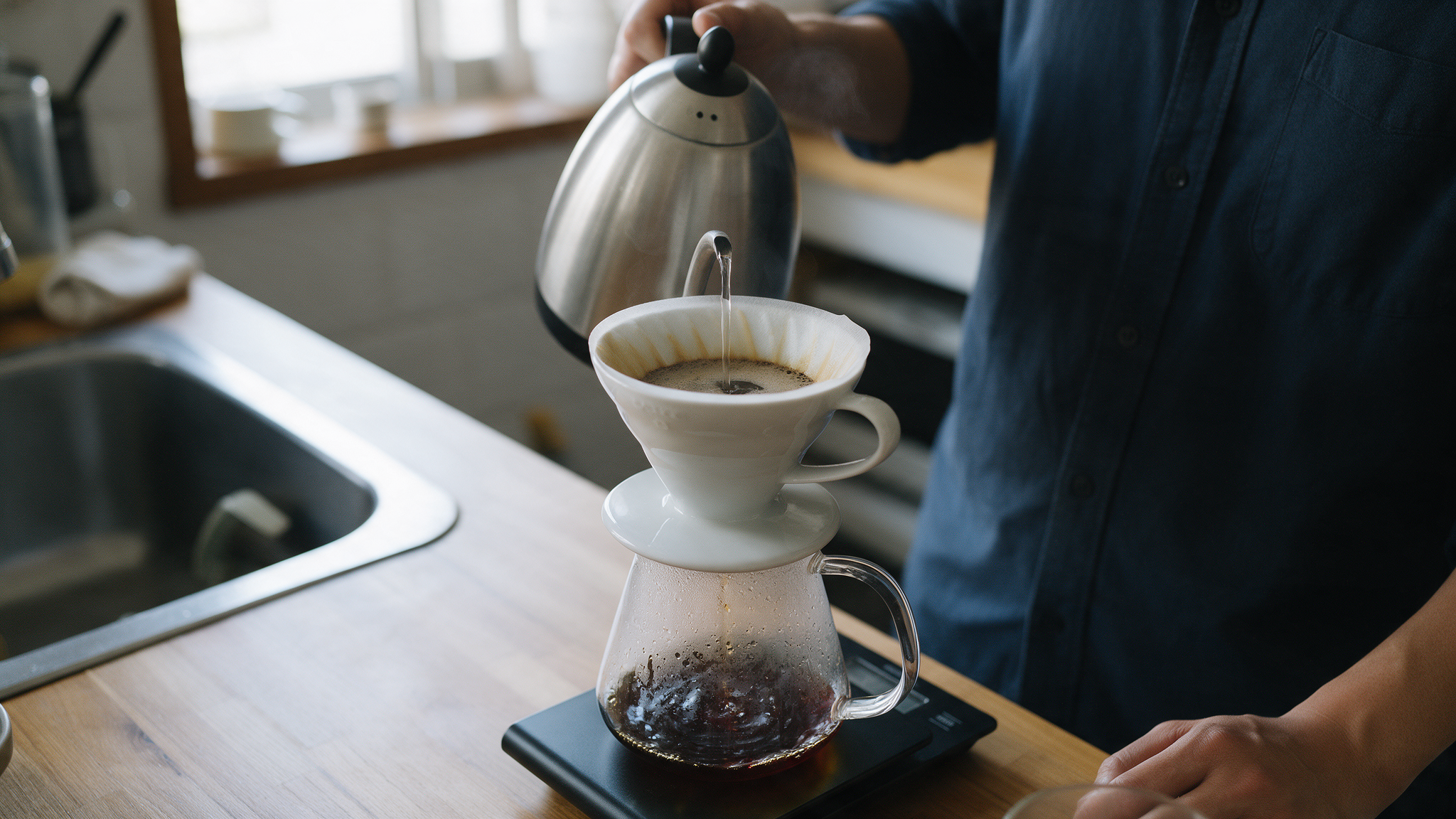
How to Brew a V60: A Simple Pour-Over Recipe
The V60 rewards a little attention with a clean, bright cup. This recipe keeps the steps few and the numbers fixed, so the only thing you need to…